Embarking on a new relationship often feels like stepping into a vibrant world of possibilities, where every moment is painted with the excitement of discovery and the promise of connection. Yet, amidst the fluttering butterflies and shared laughter, it’s essential to remain attuned to the subtle signals that may whisper caution. In the intricate dance of getting to know someone new, certain red flags, if ignored, can lead to misunderstandings or heartache down the line. This article delves into five crucial warning signs that should not be overlooked, offering insights to help navigate the delicate balance between hope and reality in the early stages of love.
Spotting the Signs Early: Understanding Emotional Disconnect
In the early stages of a relationship, it’s crucial to be attuned to the subtle signs that may indicate an emotional disconnect. This can often be challenging to identify, especially when everything seems to be going well on the surface. Emotional disconnect might manifest in several ways, and recognizing these signs early can save you from future heartache. Here are some telltale indicators:
- Lack of Empathy: If your partner seems indifferent to your feelings or dismisses your emotions, this could be a sign of deeper issues.
- Infrequent Communication: Pay attention if your conversations feel shallow or sporadic, lacking depth or genuine interest.
- Avoidance of Intimacy: Notice if there’s a reluctance to share personal thoughts or a hesitance in developing a closer bond.
- Frequent Misunderstandings: Consistent miscommunications might indicate that you are not on the same emotional wavelength.
- Withholding Affection: If your partner is stingy with affection or praise, it might be a red flag worth considering.
By understanding these signs, you can better assess the emotional health of your budding relationship, ensuring that both partners are genuinely connected on a deeper level.
Navigating Trust Issues: How to Address Dishonesty
When entering a new relationship, the excitement can sometimes overshadow subtle signs of dishonesty. It’s crucial to remain vigilant and address any trust issues head-on. Dishonesty can manifest in various ways, and recognizing these early signs can prevent future heartache. Here are some key indicators that warrant attention:
- Inconsistent Stories: Pay attention to discrepancies in their stories. If details frequently change or don’t add up, it might be a sign that they’re not being entirely truthful.
- Secretive Behavior: If they often hide their phone screen or are evasive about their whereabouts, this could indicate that they’re concealing something important.
- Overly Defensive: When questioned, do they become excessively defensive or try to turn the tables on you? This behavior can sometimes mask a guilty conscience.
- Frequent Excuses: Are they always finding reasons to cancel plans or avoid certain topics? A pattern of excuses can be a cover for dishonesty.
- Inconsistency in Values: Notice if their actions frequently contradict what they claim to value. This inconsistency might reveal a lack of authenticity.
Addressing these red flags requires open communication. Discuss your concerns with honesty and clarity, and observe how they respond. Trust is the foundation of any relationship, and ensuring its strength from the outset can lead to a healthier, more fulfilling partnership.

The Balance of Power: Identifying Control Dynamics
Understanding who holds the reins in a relationship can be complex, but it’s crucial for maintaining a healthy balance. Often, subtle indicators can reveal the underlying control dynamics at play. Look for signs where one partner consistently makes decisions without considering the other’s opinions or feelings. This can manifest in seemingly benign situations, such as choosing where to eat or planning social activities, but may indicate deeper issues of control.
- Does one person often dismiss or belittle the other’s thoughts?
- Is there a tendency for one partner to dominate conversations or decisions?
- Are there unspoken expectations about roles and responsibilities?
Equality and mutual respect are the cornerstones of a healthy relationship. Both partners should feel empowered to express their needs and desires without fear of retribution or belittlement. If you notice a consistent imbalance, it may be time to reassess the dynamics and ensure that both voices are heard and valued equally.
 Boundaries: Recognizing Lack of Respect”>
Setting Boundaries: Recognizing Lack of Respect
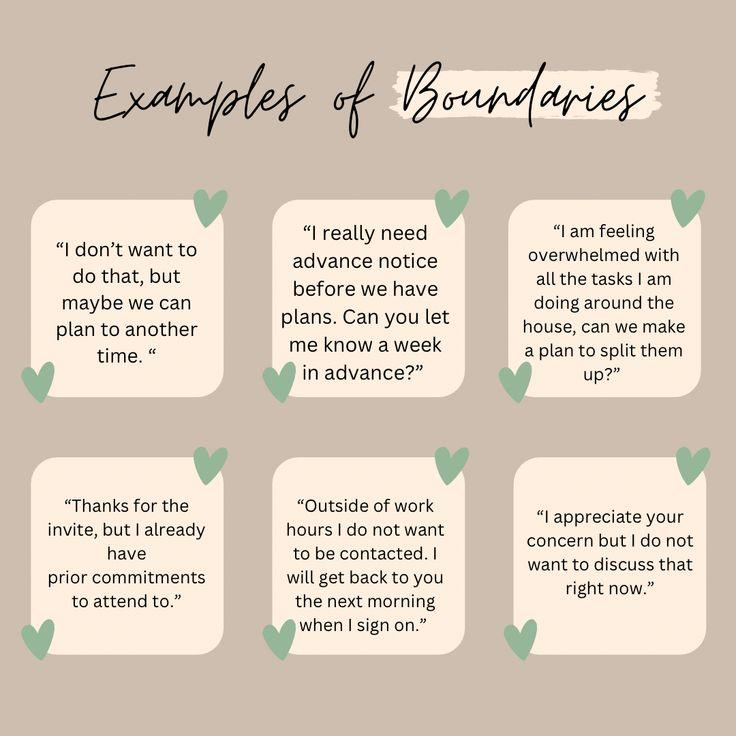
Establishing healthy boundaries is crucial in any relationship, yet it’s often overlooked, especially in the honeymoon phase. When your partner consistently dismisses your opinions, invades your privacy, or trivializes your emotions, it might be time to take a step back. Lack of respect manifests subtly, often disguised as teasing or seemingly harmless jokes, but its effects can be deeply damaging.
- If you find yourself constantly having to justify your feelings or decisions, it might be a sign that your boundaries are not being honored.
- Notice if there’s a pattern of your partner making unilateral decisions without consulting you.
- Watch for dismissive comments that belittle your aspirations or achievements.
Remember, respect is a two-way street, and a partner who truly values you will prioritize understanding and honoring your boundaries. It’s essential to recognize these signs early to foster a relationship built on mutual respect and understanding.