In the intricate dance of dating, the first encounter often sets the rhythm for what might follow. As two individuals prepare to step into the unknown, a crucial question arises: should they meticulously choreograph their moves, or let the music guide them in an impromptu waltz? The age-old debate of planning versus spontaneity on first dates continues to intrigue both seasoned romantics and newcomers to the dating scene. While some swear by the magic of spur-of-the-moment adventures, others advocate for the security of a well-laid plan. This article delves into the advantages and pitfalls of both approaches, exploring how each can shape the beginnings of a potential romance. Whether you’re a planner at heart or a spontaneous spirit, join us as we unravel the complexities of orchestrating the perfect first date.
Balancing Expectations and Surprises on a First Date
On a first date, the dance between expectations and surprises can make or break the experience. While it’s essential to have a rough idea of what the evening might entail, leaving room for the unexpected can add a delightful twist. Imagine starting with a planned dinner, but then stumbling upon a live street performance or a cozy café that neither of you had heard of before. The key is to strike a balance that feels organic and genuine.
- Plan the essentials: Choose a venue that both of you would enjoy, ensuring it’s conducive to conversation.
- Leave room for spontaneity: Be open to unexpected detours, like a stroll through a nearby park or an impromptu dessert stop.
- Set realistic expectations: Understand that not everything will go according to plan, and that’s perfectly okay.
- Embrace surprises: They can lead to shared laughter and memorable moments.
Balancing these elements not only alleviates pressure but also sets the stage for authentic connections to flourish. Whether the date leans more towards the structured or the spontaneous, what’s most important is the shared experience and the stories you create together.
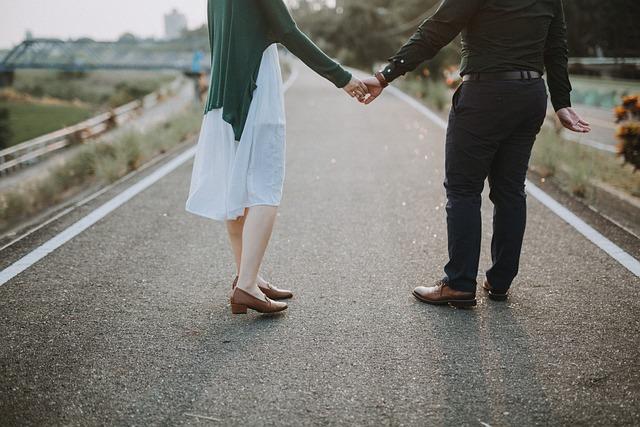
Navigating the Pros and Cons of Planned and Spontaneous Outings
When it comes to first dates, both planned and spontaneous outings have their own unique charms and challenges. Planned outings offer the advantage of preparation and thoughtfulness. They allow you to showcase your organizational skills and consider your date’s preferences, ensuring that you both enjoy the activities. Planning can also help reduce anxiety, as knowing what to expect can make the experience more comfortable. However, there’s a risk that over-planning might lead to rigidity, leaving little room for natural interaction or unexpected fun.
On the other hand, spontaneous outings bring an element of surprise and excitement. They can make the date feel more genuine and adventurous, offering opportunities to explore new places or activities on a whim. Spontaneity often encourages creativity and adaptability, traits that can leave a memorable impression. Yet, it can also result in awkward moments if things don’t go as hoped, or if one person prefers more structure. Consider the following when deciding your approach:
- Personal Comfort: Are you or your date more comfortable with a plan or with going with the flow?
- Type of Activities: Some activities require planning (e.g., dining at a popular restaurant), while others thrive on spontaneity (e.g., a walk in the park).
- Time Constraints: Planned dates can make better use of limited time, whereas spontaneous ones might require more flexibility.
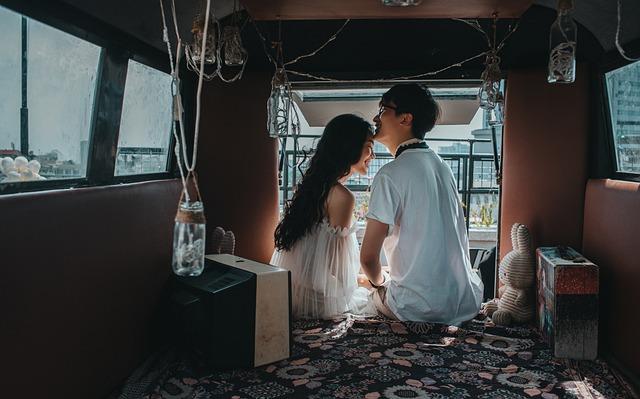
Expert Tips for Crafting the Perfect First Date Experience
When it comes to first dates, striking a balance between planning and spontaneity can create an unforgettable experience. Planning can help alleviate the nerves that often accompany first encounters, allowing both parties to relax and focus on getting to know each other. Consider these expert tips:
- Select a comfortable venue: Choose a place where conversation can flow easily, such as a cozy café or a scenic park.
- Incorporate a shared interest: Whether it’s a visit to an art gallery or a cooking class, engaging in an activity you both enjoy can spark conversation and connection.
On the other hand, embracing spontaneity can inject a sense of adventure and authenticity into the date. It allows room for unexpected delights and genuine reactions. Here are some ways to keep the date spontaneous:
- Be open to detours: If the conversation leads to a mutual interest in a local event or hidden gem, be willing to explore it together.
- Let the moment guide you: Allow the date to naturally unfold, giving space for impromptu decisions that can turn a simple outing into a memorable story.

How to Blend Structure and Serendipity for Memorable First Impressions
Creating a balance between a well-thought-out plan and allowing room for unexpected moments can turn a first date into a memorable experience. Structure provides a sense of security and direction. Having a few ideas in mind—such as a cozy café for coffee or a visit to an art exhibit—ensures that the date flows smoothly and you avoid awkward silences or decision paralysis. On the other hand, embracing serendipity invites spontaneity and excitement, leaving room for unique interactions and surprises that can’t be planned. A spontaneous stroll through a park or discovering a hidden gem of a bookstore can add an element of surprise that makes the date unforgettable.
- Plan with Flexibility: Start with a basic framework but be open to deviations. This shows adaptability and a willingness to explore new experiences together.
- Choose Activities with Options: Opt for venues or activities that offer variety, allowing you to pivot if something unexpected catches your interest.
- Listen and Adapt: Pay attention to your date’s cues and interests, and be ready to shift plans if a new opportunity arises that sparks mutual excitement.
Ultimately, the goal is to create a setting where both parties feel comfortable and engaged, allowing for genuine connections to form naturally. This blend of preparation and openness can make the first impression both memorable and authentic.