In the digital age, where love is often just a swipe away, dating apps have become the modern-day Cupid, armed with algorithms instead of arrows. Yet, beneath the seamless interface and the promise of connection, lies a question that has intrigued sociologists, technologists, and hopeful romantics alike: Is there a gender bias embedded within these virtual matchmaking platforms? As we delve into the world of digital courtship, this article seeks to unravel the complexities of gender dynamics in online dating. By examining user experiences, app design, and the invisible hand of algorithms, we aim to uncover whether the quest for love is truly equitable, or if some are left swiping through a maze of biases. Join us as we explore this contemporary conundrum, where love meets technology, and reality meets perception.
Unveiling the Digital Dance: Gender Dynamics on Dating Platforms
In the realm of digital romance, the algorithms of popular dating apps often mirror the complexities of real-world gender dynamics. Men and women experience these platforms differently, a fact that becomes evident when examining user engagement and messaging patterns. Men tend to send more messages than they receive, while women often experience the opposite. This disparity can lead to a skewed experience, where men feel compelled to initiate more conversations, and women become selective in their responses.
- Men typically send more initial messages, contributing to a perception of competition.
- Women often receive more messages, which can lead to feeling overwhelmed or having to filter through numerous options.
- Algorithmic biases may reinforce these trends, as apps might prioritize profiles that match stereotypical attractiveness standards.
These nuances highlight the need for a deeper understanding of how gender roles play out in digital matchmaking. As technology continues to evolve, the challenge lies in designing platforms that foster genuine connections while mitigating inherent biases. Balancing the scales in the digital dating world could open up new avenues for equitable interactions and meaningful relationships.
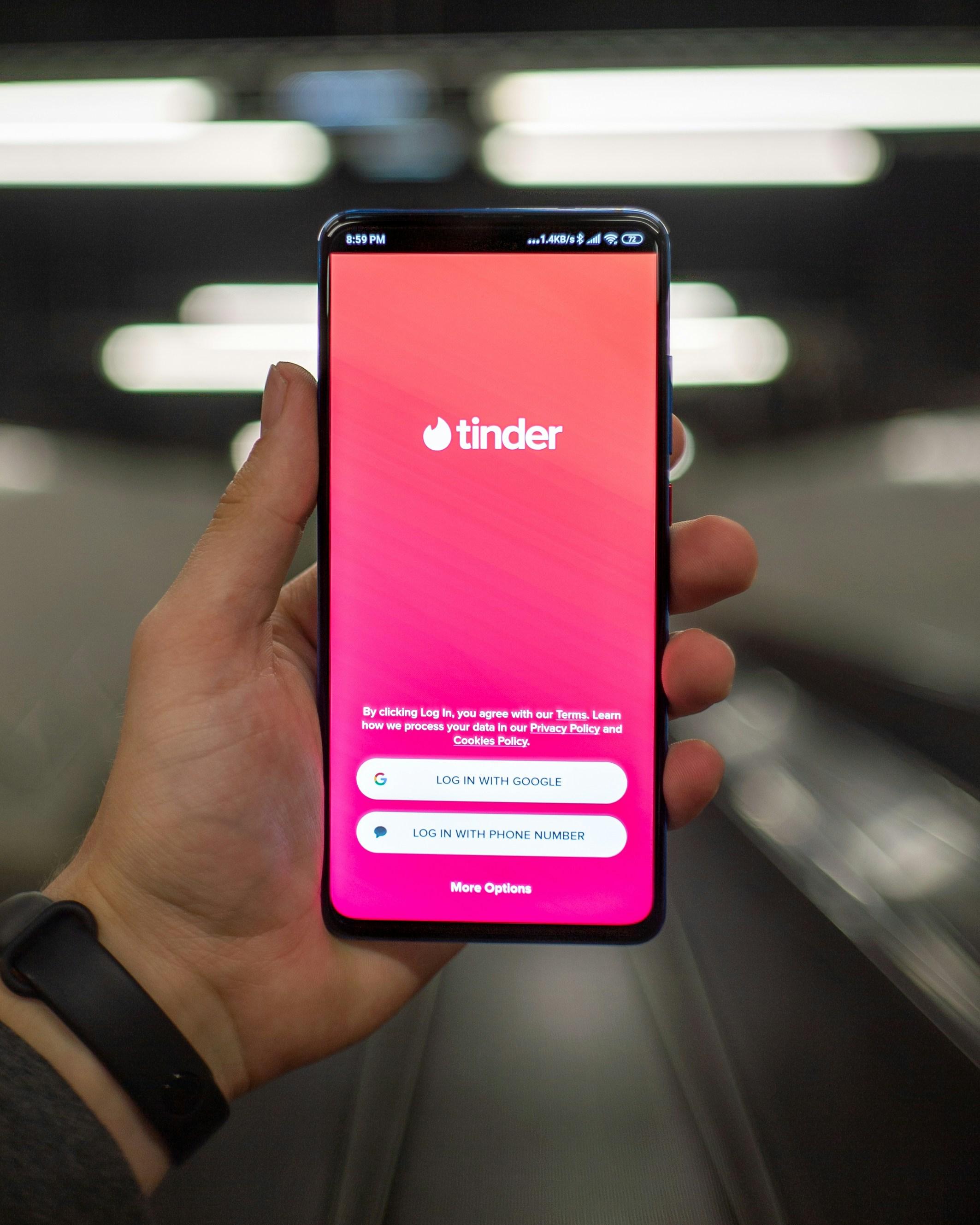
Exploring the Algorithms: Are Matches Truly Unbiased?
Delving into the heart of dating app technology, one might wonder whether the algorithms governing matches are as impartial as they claim to be. These digital matchmakers rely on a complex set of criteria to connect users, yet the parameters often include subtle biases that can skew results. For instance, user interaction patterns, such as the frequency of swipes or messages, are frequently factored into these algorithms. While seemingly neutral, these elements can inadvertently amplify existing societal biases, particularly those related to gender.
- Preference Filtering: Users can set preferences that might unconsciously lean towards traditional gender roles.
- Profile Popularity: Algorithms may prioritize profiles that receive more attention, which can be influenced by gender stereotypes.
- Behavioral Data: The manner in which individuals engage with the app—who initiates conversations, for example—can be interpreted differently based on gender norms.
As we unpack these algorithmic mysteries, it becomes clear that while technology strives for neutrality, it is not immune to the biases of its creators and users. The challenge lies in crafting systems that not only connect individuals but also promote equality and fairness in the digital dating landscape.
Understanding User Experiences: Stories Behind the Swipe
In the realm of digital dating, tales of triumphs and tribulations are as diverse as the users themselves. However, a curious pattern often emerges when delving into user experiences on these platforms. Many have observed a gendered dynamic at play, raising the question of whether these apps are as egalitarian as they seem. Users frequently recount stories of how their interactions vary, not just in terms of quantity but also in quality, depending on their gender. This disparity can be seen in the number of matches, the nature of conversations, and the ultimate success in forming connections.
- Disparities in match rates: Some users report a noticeable difference in the number of matches received, with certain genders experiencing a higher rate of success.
- Quality of interactions: The depth and engagement level of conversations can often vary, with users noting differences in how messages are initiated and sustained.
- Perceptions of safety and comfort: Stories often highlight how users’ comfort levels in engaging with potential matches can be influenced by gender dynamics, affecting overall user satisfaction.
These narratives provide a nuanced glimpse into the intricacies of modern matchmaking, prompting a broader discussion on how dating apps can evolve to ensure a more balanced and inclusive experience for all.
Towards Equality: Strategies for a Fairer Dating App Environment
In the quest for a more equitable dating landscape, popular apps must address and rectify potential gender biases. Gender bias can manifest in various forms, from algorithmic preferences that skew visibility to design features that inadvertently favor one gender over another. To create a more balanced environment, dating platforms could implement a series of thoughtful strategies:
- Algorithm Transparency: Offering insights into how matches are suggested can empower users and ensure fairness in match recommendations.
- Profile Visibility Control: Allow users to have greater control over who can see their profiles, ensuring that all users have an equal opportunity to connect.
- Inclusive Design Features: Incorporating design elements that promote gender neutrality can foster a more welcoming space for all users.
By adopting these strategies, dating apps can take significant steps toward minimizing gender bias, fostering a fairer and more inclusive platform for all users.