In the intricate tapestry of human relationships, emotional trust serves as both the warp and weft, binding individuals in a shared fabric of understanding and vulnerability. Yet, the question of whether this trust should be earned through the slow weaving of experience or bestowed freely like a gift wrapped in faith is a debate as old as time itself. As we navigate the complexities of modern connections—where digital interactions often precede face-to-face encounters—the dilemma of trust takes on new dimensions. This article delves into the heart of this enduring question, exploring perspectives that argue for trust as a reward for proven reliability, as well as those that champion trust as a foundation for genuine connection. Through stories, expert insights, and philosophical musings, we embark on a journey to uncover whether emotional trust should be a guarded treasure or an open invitation.
The Nature of Trust: A Deep Dive into Emotional Bonds
In the intricate web of human relationships, the concept of emotional trust often stands as a pillar, both delicate and resilient. It is the invisible thread that weaves individuals together, creating bonds that transcend mere interaction. When considering whether trust should be earned or given freely, we delve into a realm where logic and emotion dance a delicate ballet. Some argue that trust is a precious gem, one that should be cautiously bestowed only after a foundation of consistent actions and reliability is demonstrated. They believe that earning trust not only protects one’s emotional wellbeing but also establishes a sense of security and authenticity in relationships.
On the other hand, there is a compelling case for the notion of giving trust freely as an act of courage and optimism. Proponents of this view suggest that starting with an open heart fosters an environment of positivity and mutual respect. It encourages individuals to rise to the occasion, knowing they are trusted from the outset. Here are some key considerations when pondering this age-old debate:
- Vulnerability vs. Protection: Giving trust freely involves vulnerability, which can lead to profound connections but also potential heartbreak.
- Foundation of Growth: Earned trust may take time but can create a strong foundation for growth and mutual understanding.
- Personal Philosophy: Individual experiences and philosophies often dictate whether one leans towards freely giving or cautiously earning trust.
Ultimately, the decision may lie in finding a balance that resonates with one’s personal values and life experiences, creating a unique tapestry of emotional connections.
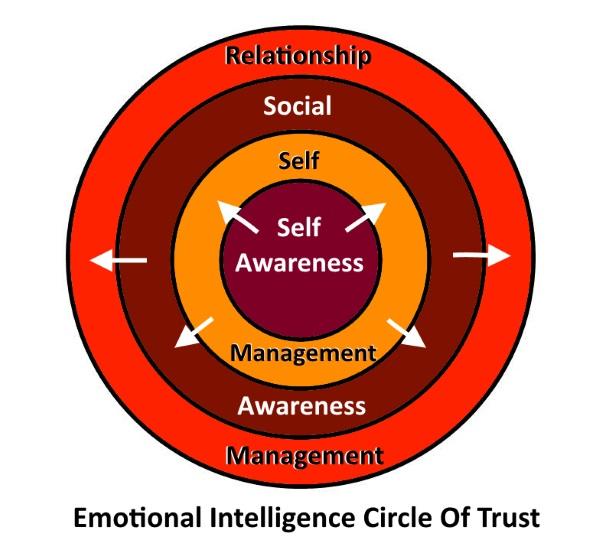
Exploring the Risks and Rewards of Freely Given Trust
Trust is a delicate balance, teetering between vulnerability and connection. When we offer our trust freely, we open ourselves to a world of possibilities, where relationships can flourish in unexpected ways. Freely given trust can be a powerful catalyst for deeper connections, encouraging authenticity and openness. It nurtures an environment where individuals feel valued and respected, leading to a community of shared experiences and mutual support. However, this approach is not without its risks. Entrusting someone without a foundation of understanding can lead to disappointment, betrayal, or emotional harm.
On the other hand, the rewards of extending trust without hesitation can be profound. It can foster a sense of empowerment and confidence in both parties involved. Here are a few potential benefits and risks of this approach:
- Benefits: Builds a culture of openness, encourages risk-taking, enhances empathy.
- Risks: Potential for exploitation, emotional vulnerability, possible breach of confidence.
Weighing these factors requires careful consideration and a nuanced understanding of personal boundaries and the dynamics of the relationship at hand. By acknowledging both the potential rewards and the inherent risks, individuals can make more informed decisions about how they choose to trust others.

The Psychology Behind Trust: Why Earning It Matters
Trust forms the foundation of every meaningful relationship, whether personal or professional. Its psychology is deeply rooted in human evolution, where the assurance of mutual reliability was crucial for survival. Earning trust isn’t just about consistent actions but also involves an intricate balance of emotional intelligence and empathy. When someone demonstrates genuine care and understanding, it builds a bridge of trust that is more resilient than one constructed from mere promises.
Consider the dynamics of emotional trust: it encompasses vulnerability, authenticity, and the courage to be open. To navigate these waters, one might reflect on certain aspects:
- Consistency: Repeated actions over time foster reliability.
- Transparency: Open communication can prevent misunderstandings.
- Empathy: Understanding others’ perspectives strengthens connections.
- Integrity: Aligning words with actions builds credibility.
In a world where connections are often fleeting, the deliberate cultivation of trust can transform relationships into lasting bonds, adding depth and meaning to human interactions.
Building Bridges: Practical Steps to Cultivate Earned Trust
In the delicate dance of human relationships, the journey to nurturing earned trust can be both intricate and rewarding. To embark on this path, start by demonstrating genuine empathy and active listening. This involves being present and attentive, ensuring the other person feels heard and understood. Such gestures, though small, lay the foundation for deeper connections.
Another vital step is maintaining transparency in your interactions. Honesty fosters an environment where trust can thrive. Share your thoughts openly and encourage others to do the same. Consistency in words and actions further solidifies trust; when people see that you mean what you say, they are more likely to reciprocate. Additionally, showing appreciation and gratitude can reinforce trust, as it acknowledges the effort and value the other person brings into the relationship.
- Practice active listening and empathy.
- Be transparent and honest.
- Ensure consistency in actions and words.
- Show appreciation and gratitude regularly.